Historic homes carry stories, craftsmanship, and architectural details that modern construction often cannot replicate. Renovating these properties can be deeply rewarding, but the financial realities behind preservation work are rarely simple. From hidden structural problems to evolving code requirements, historic renovation projects often demand a level of planning and flexibility that can surprise even experienced property owners. Understanding the budgeting challenges before work begins can help protect both the integrity of the property and the long-term investment behind the renovation.
Why Historic Renovation Budgets Are Different
Unlike newer construction projects, historic renovations involve working within the limits of aging materials, outdated building systems, and preservation requirements like Washington DC’s Historic Landmark and Historic District Protection laws and review processes. Costs are often harder to predict because conditions hidden behind walls, ceilings, and foundations may not become visible until demolition begins.
The combination of restoration work, specialty labor, and regulatory oversight creates a budgeting environment that requires far more contingency planning than conventional remodeling projects.
“Historic buildings rarely reveal all their problems upfront. The real challenge is preparing financially for the unknowns that surface during construction,” says Matthew Furlong, Owner of Först Consulting Group
Six Budgeting Challenges in Historic Renovations
-
Hidden Structural Issues Can Escalate Costs Quickly
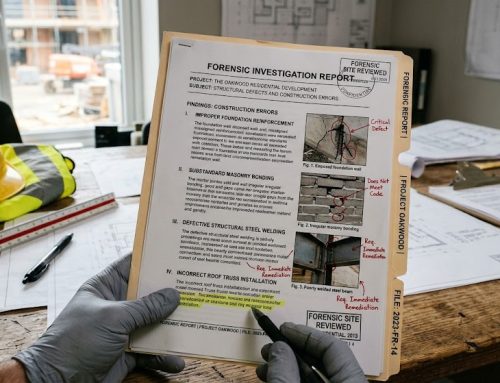
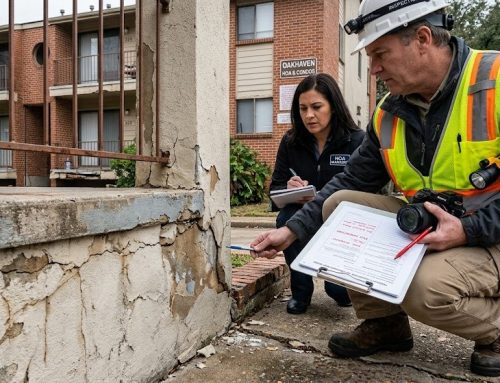
One of the biggest budgeting challenges in historic renovation projects is uncovering concealed damage after work begins. Water intrusion, termite damage, failing masonry, and deteriorated framing are common discoveries in older structures.
These issues often require immediate correction before any cosmetic work can continue. Property owners who budget only for visible improvements may find themselves facing significant change orders once structural deficiencies are uncovered. Historic buildings may also contain outdated electrical wiring, aging plumbing systems, or unsafe materials that require specialized remediation before renovations can proceed.
-
Matching Original Materials Often Comes at a Premium
Preserving the authenticity of a historic property frequently requires sourcing materials that closely match the original construction. Custom millwork, historic brick, plaster restoration, slate roofing, and period-specific windows can all carry substantially higher costs than modern replacements.
In many cases, these materials are no longer mass-produced, which increases both material and labor expenses. Skilled craftspeople familiar with historic restoration techniques may also be limited in availability. Balancing preservation with budget limitations requires careful planning and realistic expectations from the beginning of the project.
“The goal is not simply to repair a historic structure, but to preserve its character without compromising modern safety and functionality,” Furlong says.
-
Permit and Preservation Requirements Add Complexity
Historic renovation projects often involve additional layers of oversight from local preservation boards, municipalities, or historical commissions. Approval timelines can extend project schedules and increase soft costs related to design revisions, permitting, and compliance documentation.
-
Specialized Labor Increases Project Costs
Historic renovations typically require contractors and subcontractors with experience working on older structures. Restoration specialists often charge higher rates because of the precision, craftsmanship, and additional care required during construction.
Improper repairs can damage historically significant features or create long-term structural problems. Hiring experienced professionals from the outset may cost more initially but can reduce the risk of expensive corrective work later. Careful contractor selection becomes an essential part of budget protection in preservation projects.
“Inexperienced renovation work can permanently damage a historic property. Expertise matters as much as the materials themselves,” Furlong advises.
-
Unforeseen Code Upgrades Can Affect the Scope
Many historic properties were built long before current building codes existed. Once renovations begin, portions of the structure may need to be upgraded to meet modern standards for safety, accessibility, fire protection, or energy efficiency.
These upgrades can include structural reinforcement, sprinkler systems, HVAC modernization, insulation improvements, or ADA compliance measures. Costs associated with mandatory code compliance are often underestimated during initial planning stages.
-
Contingency Planning Is Essential for Historic Renovations
A standard remodeling contingency may not be sufficient for historic properties. Older buildings carry a much higher likelihood of unexpected conditions, making financial flexibility essential throughout the project. Owners, developers, and investors should work with experienced consultants who can identify potential risks early and help create realistic project forecasts before construction begins.
“Successful historic renovation budgets are built around preparation, investigation, and realistic contingency planning—not optimism alone,” Furlong says.
Related post: Common Surprises That Can Impact Historic Renovation Costs
Trusted Help with Historic Renovations with Först Consulting Group
Först Consulting Group serves as a trusted advocate for property owners navigating the complexities of historic renovations. Through detailed project analysis, forensic investigation, and construction consulting services, our experts help clients better understand construction conditions, project risks, and financial exposures before problems escalate.
Whether evaluating hidden structural concerns, analyzing construction defects, or assisting with project documentation and dispute resolution, Först Consulting Group provides experienced guidance rooted in thorough investigation and industry expertise. Our work helps clients protect both the value and historical integrity of their investment while making informed decisions throughout the renovation process.
Contact us and let us help you.