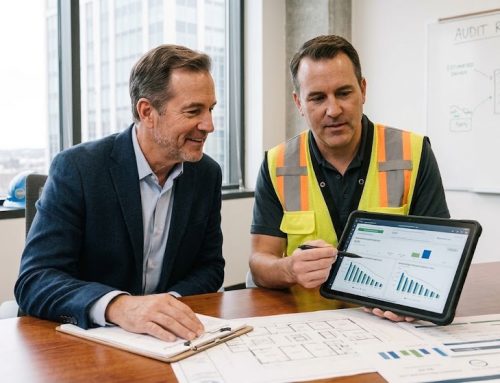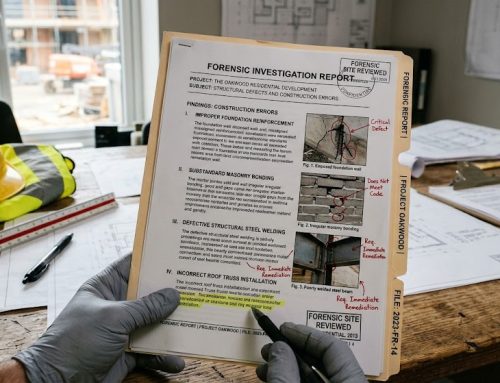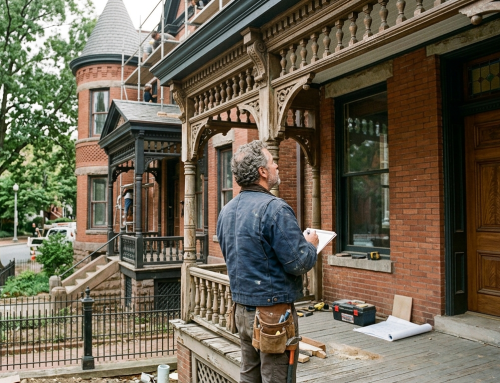
Well-maintained communities do not happen by accident. Behind every attractive condominium or homeowners’ association is a commitment to understanding the condition of its buildings and infrastructure before small concerns become expensive liabilities. Professional property condition assessments provide boards and property managers with the information they need to make informed decisions, prioritize maintenance, and protect both residents and property values.
Building Envelope Problems Often Top the List of Property Condition Issues
One of the most common issues identified during condo and HOA property condition assessments involves the building envelope. Roofing systems, siding, windows, balconies, sealants, and flashing all work together to keep water out. When any of these components begin to fail, moisture intrusion can lead to structural deterioration, mold growth, and costly repairs. Routine evaluations allow associations to address deficiencies while repairs are still manageable and budget-friendly.
“Many of the most expensive repairs begin as relatively minor moisture problems that go unnoticed,” says Matthew Furlong, owner of Först Consulting Group. “A comprehensive assessment helps communities identify these issues before they become major capital projects.”
Deferred Maintenance Creates Growing Financial Risk
Deferred maintenance is another issue frequently uncovered during property condition assessments. Communities may postpone repairs due to budget limitations or competing priorities. Unfortunately, delaying maintenance usually increases repair costs and shortens the lifespan of building components.
Professional condo and HOA assessments document existing conditions, identify maintenance priorities, and help boards develop realistic reserve funding strategies. Rather than reacting to emergencies, associations can create long-term maintenance plans that reduce unexpected expenses and improve financial stability.
“Planning is one of the most valuable outcomes of a property assessment,” Furlong explains. “When boards understand the true condition of their assets, they can budget with greater confidence and avoid unpleasant surprises.”
Structural Concerns Require Immediate Attention
While not every property condition assessment uncovers structural deficiencies, experienced consultants carefully evaluate areas where problems commonly develop. Foundations, retaining walls, balconies, decks, parking garages, and load-bearing elements may show signs of settlement, cracking, corrosion, or deterioration.
Early identification allows associations to investigate further when necessary and prioritize repairs before safety concerns escalate. Structural issues should never be ignored, particularly in aging communities where decades of weather exposure and normal wear have taken their toll.
Drainage and Water Management Problems
Water is one of the leading causes of property damage in condominium and HOA communities. Poor site drainage, clogged stormwater systems, improper grading, and deteriorated waterproofing can all contribute to long-term deterioration.
Property assessments frequently identify opportunities to improve drainage around buildings, protect foundations, and reduce moisture-related damage. Correcting these issues not only protects structures but also helps preserve landscaping, sidewalks, and common areas.
“Water almost always finds the weakest point in a building,” Furlong says. “Identifying those vulnerabilities early gives communities far more options than waiting until visible damage appears.”
Mechanical, Electrical, and Safety System Deficiencies
Assessments also review the condition of critical building systems that residents rely on every day. Aging HVAC equipment, electrical components nearing the end of their service life, plumbing deficiencies, fire protection systems, and life safety features often require attention as communities mature.
Understanding the remaining useful life of these systems enables boards to coordinate maintenance, schedule replacements, and avoid unexpected failures that disrupt residents and strain association budgets.
Why Communities Choose Först Consulting Group for Property Condition Assessments
Först Consulting Group provides independent, objective property condition assessments that help condominium associations, HOA boards, and property managers make informed decisions. Our experienced team evaluates building conditions thoroughly, documents findings clearly, and delivers practical recommendations that support both short-term maintenance and long-term capital planning.
“Our goal is to provide clients with clear, unbiased information they can use to make confident decisions,” Furlong says. “A quality assessment isn’t just about identifying problems—it’s about helping communities protect their investments for years to come.”
With extensive experience evaluating residential communities, Först Consulting Group understands the unique challenges facing condominium and homeowners’ associations. Whether supporting reserve studies, transition engineering, property condition assessments, or construction defect investigations, our firm delivers the technical expertise boards need to maintain safe, financially sound, and well-maintained communities.
If you’d like to have us assess your condo or HOA property for potential issues, contact us.