When a construction project goes wrong, the visible damage is often only part of the story. What may appear to be a relatively minor problem can reflect a deeper failure in design, materials, or workmanship. And once a dispute develops, the ability to credibly establish what happened becomes critical, with claims involving complex technical questions that are difficult to explain without a clear factual record. Documenting construction defects helps a disputed condition into evidence that can be evaluated objectively to build a strong legal case.
How to Document Construction Defects: A 4-Step Guide for Property Owners and Legal Teams
When a construction project goes wrong, the visible damage is often only part of the story. A small problem can signal a deeper failure in design, materials, or workmanship. Once a dispute develops, you need to establish what happened. This is hard, because defect claims often turn on complex technical questions.
Good documentation solves this. It turns a disputed condition into objective evidence. As a result, you build a stronger legal case.
Step 1: Start Documenting Construction Defects Early
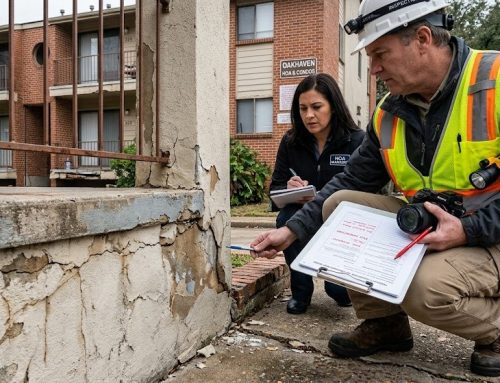
Timing matters. Conditions change as repairs are made or materials deteriorate. Additional damage can also occur. Therefore, you should preserve the building’s condition as soon as you spot a potential defect.
Photographs are essential. However, images alone rarely capture the full scope of a defect. Effective documentation pinpoints the exact location. It also provides enough context to show why the condition matters. In addition, inspection notes, measurements, and testing add critical support.
“Once a defect is suspected, documentation should begin before the condition changes. The goal is to create an accurate record of what was observed, where it was found, and what the building condition tells us about the underlying problem,” explains Matthew Furlong, Principal of Först Consulting Group.
Step 2: Connect the Defect to the Construction Record
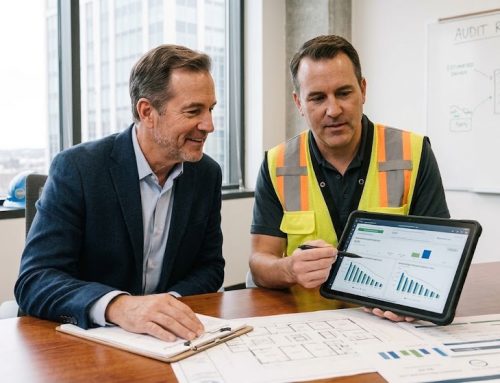
A strong case depends on more than showing that something is wrong. The evidence should also show how the condition developed. Moreover, it should link the defect to the original construction.
Relevant records include drawings, specifications, contracts, and change orders. Inspection reports and correspondence matter too. Next, you compare these records against the existing conditions. This comparison can reveal gaps between what was designed, what was specified, and what was actually built.
“The construction documents provide a roadmap for understanding whether the work in place matches the requirements of the project. When those documents are evaluated alongside field conditions, they can provide important evidence about how a defect occurred,” Furlong says.
Step 3: Establish the Cause and Extent of the Damage
A forensic investigation should find the defect’s root cause. It should also determine whether the condition is isolated or widespread. To do this, an investigator may examine concealed conditions, construction methods, or past repairs.
Documentation should also define the extent of the damage. A thorough evaluation matters here. It separates an isolated deficiency from a systemic problem that affects other building components.
“A useful defect report should do more than identify problems. It should explain the significance of those conditions and provide a defensible basis for understanding their cause, extent, and potential impact,” Furlong says.
Step 4: Create Documentation That Can Withstand Scrutiny
Attorneys, opposing experts, insurers, or a court may review your documentation. For this reason, the process must stay objective. It must also rest on sufficient facts and data. For example, Federal Rule of Evidence 702 sets standards for the reliability of expert testimony.
A strong investigation separates observed conditions from professional opinions. Clear photographs, organized records, and detailed findings help others follow the analysis. As a result, they can see how you reached each conclusion.
“The strongest documentation is objective, organized, and tied directly to the physical evidence. It should allow someone who was not present during the inspection to understand what was found and why the findings matter,” Furlong says.
How a Forensic Expert Strengthens the Construction Defect Record
Först Consulting Group advocates for clients facing complex building and construction disputes. As a forensic investigator, Först evaluates physical conditions and project records. This work builds a clear understanding of what occurred and why. In turn, attorneys and property owners can make informed decisions as a case develops.
Sometimes a formal dispute requires specialized testimony. In these cases, Först Consulting Group can serve as an expert witness. Matthew Furlong brings more than 25 years of construction and forensic experience to every evaluation. He translates complicated building conditions into clear, supportable findings. As a result, legal professionals and other decision-makers can understand them.
If you have a construction dispute or need forensic documentation, contact Först Consulting Group.