Your home is one of the most significant investments you make, so discovering something that appears to be wrong with its construction can be unsettling. Whether the concern involves water intrusion, cracking, structural movement, or a problem with recently completed work, homeowners may not know where to turn or how to determine what went wrong. Bringing in a forensic investigator can help uncover the source of the problem and provide an objective understanding of what happened, along with support in remediating the issue. Here’s what to prepare before meeting with your forensic investigator.
-
Document the Problem and When You First Noticed It
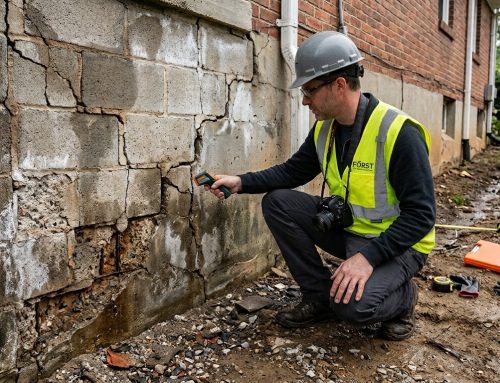
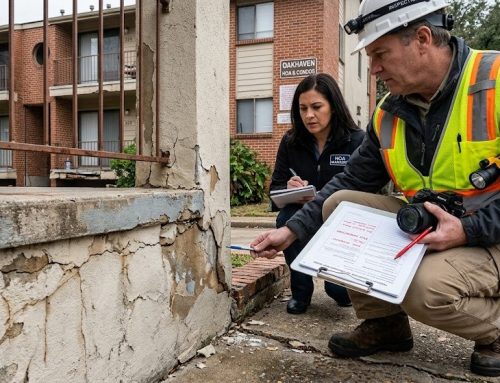
Start by creating a record of what you are seeing. Take clear photographs and videos of the suspected construction issue, including close-up images of the affected area and wider shots showing its location within the home. If the problem changes over time, document those changes as well.
Keep a written timeline noting the times and dates when you first noticed the issue, whether it has worsened, and if anything seems to trigger it. For example, water intrusion that appears after heavy rainfall may provide an important clue about its source.
“Homeowners sometimes assume they need to understand what caused the problem before contacting a forensic investigator. That isn’t necessary. What matters most initially is documenting what you observe and preserving the information available to you. It’s our job to investigate the underlying cause and determine whether the condition is related to a construction error,” says Matthew Furlong, Forensic Investigator and Owner of Först Consulting Group.
-
Gather Construction Documents and Property Records
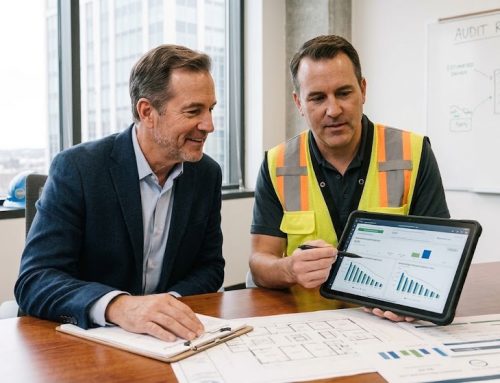
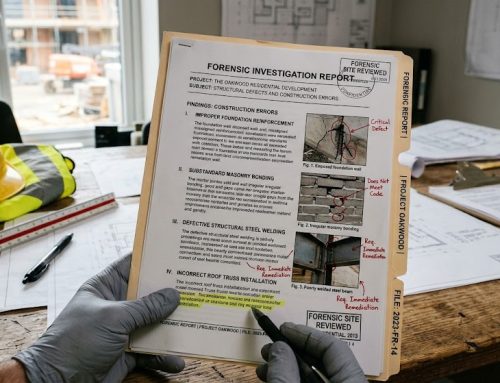
Paperwork related to the home’s construction, renovation, or repair may help an investigator understand how the work was intended to be completed. Look for original construction plans, architectural drawings, engineering reports, building permits, inspection records, and contractor proposals.
If the issue involves a renovation or addition, gather documents specific to that project. Invoices, contracts, change orders, and warranties can help establish what work was performed and which materials or methods were specified.
“You don’t have to arrive with a perfectly organized file or every document related to your home. Even partial records can provide useful background. We can help identify what additional information may be needed as the investigation progresses,” Furlong says.
-
Record Previous Repairs and Attempts to Fix the Issue
Has a contractor already tried to correct the problem? Have you hired a plumber, roofer, or other professional to investigate? These details matter because previous repairs may have changed the original conditions or provide clues about why the problem persists.
Gather repair invoices, inspection findings, written recommendations, and correspondence with contractors. Include dates, times of day, and descriptions of any work performed.
Related: What You Should Know Before You Hire a Contractor
“An important part of a forensic investigation is understanding the history of the condition. If someone has already attempted a repair, we want to know what they observed and what was done. That information can help us determine whether the original problem was addressed or whether the underlying construction issue remains,” Furlong says.
-
Keep Communications With Contractors and Builders
Save emails, text messages, letters, and other communications concerning the suspected defect. This includes conversations with the original builder, subcontractors, renovation companies, and warranty representatives.
Pay particular attention to written explanations of the work, statements about the cause of the problem, and any promises to make repairs. If conversations take place by phone or in person, write down the date and summarize what was discussed.
“Having a record of these conversations helps establish what the homeowner reported, how the contractor responded, and whether any corrective work was discussed. Accurate documentation can be especially helpful when questions arise about the original scope of work or responsibility for a particular condition,” Furlong explains.
-
Avoid Disturbing the Evidence Before an Investigation
It can be tempting to immediately remove damaged materials or begin repairs, especially when a problem is affecting your ability to use part of your home. However, disturbing the affected area before it has been evaluated may make it harder to identify the original cause.
When practical, photograph existing conditions and consult a forensic investigator before removing materials or making non-emergency repairs. If immediate action is necessary to prevent further damage or protect occupants, address the urgent concern and document conditions before work begins whenever it is safe to do so.
“Preserving the original conditions can be extremely important. Once materials are removed or repairs are completed, certain details about how a building component was installed or how a failure developed may no longer be visible. We encourage homeowners to seek an independent evaluation before making changes whenever circumstances allow,” Furlong says.
Related post: Documenting Construction Defects: Building a Strong Legal Case.
Start With an Independent Evaluation from Först Consulting Group
Suspecting a construction error does not mean you need to prove that a builder or contractor made a mistake. That is the purpose of a forensic investigation. Först Consulting Group works with homeowners throughout the Virginia/Washington DC metro region to evaluate construction-related concerns, identify potential causes of building failures, and determine whether conditions are consistent with improper design, installation, or construction practices.
As an advocate for property owners, Först Consulting Group provides independent, objective expertise to help homeowners understand what is happening with their homes.
Matthew Furlong and his team approach each investigation with a focus on uncovering the facts and explaining the findings in a way that supports informed decisions. If you suspect a construction error, starting a conversation with Först Consulting Group can help you take the next step with greater confidence.
Contact us today and let us know how we can help.